
Search










Advertisement
Advertisement
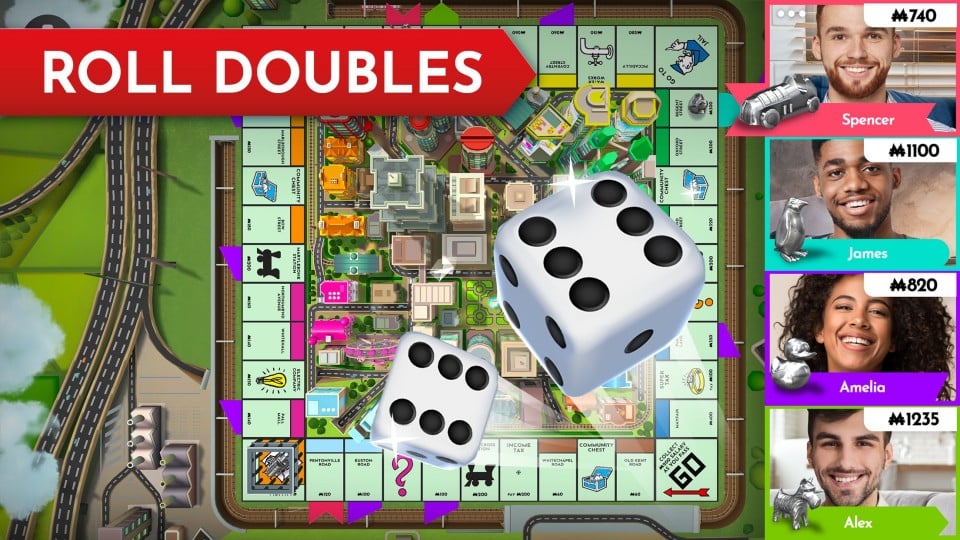

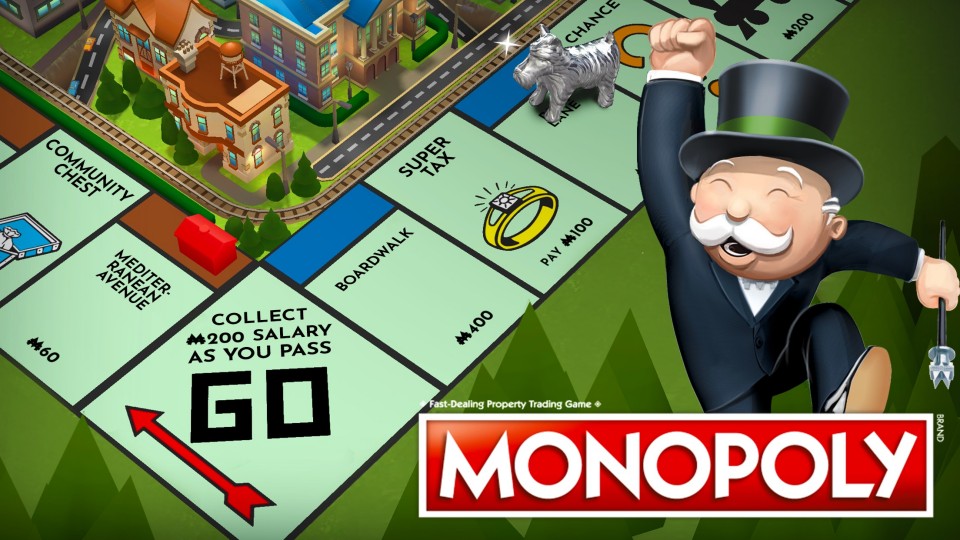
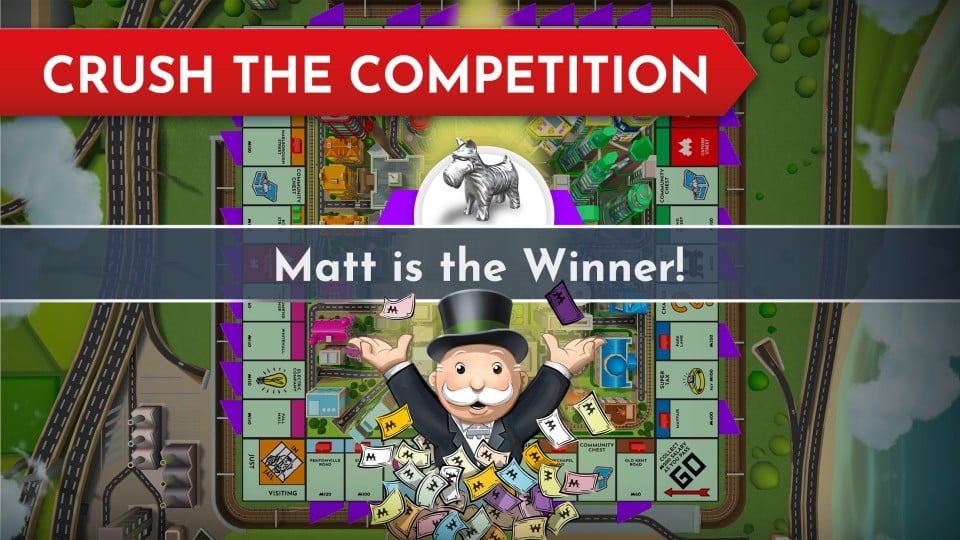
Monopoly is a classic tabletop game that has been a popular choice for family gatherings and parties with friends since it was first released in 1935. With its unique elements of economic competition and strategy, the game has attracted millions of players worldwide. In both physical and digital versions, Monopoly gives players a taste of capitalization and business competition.
Set in a fictional city, players seek to build wealth and ultimately bankrupt other players in the game by buying, trading and developing real estate. Players move around the board, passing through different properties, choosing whether or not to buy and build houses and hotels in order to increase their rental income. In the process, the game combines luck and strategy, with players needing to make smart decisions at every move.
Monopoly's board is filled with a wide variety of properties, ranging from bustling commercial streets to quiet residential neighborhoods, each with its own unique value and potential. Players take on a variety of roles in the game, often negotiating with other players to maximize the benefits of their real estate deals. The game's “Chance” and “Community Chest” cards add an element of unpredictability to the game, bringing unexpected good fortune or misfortune, further enhancing the game's fun and challenge.
The core concept of Monopoly is to allow players to experience the complexity of business and the intensity of competition. In the process, players not only have to focus on their own investment strategies, but also need to always evaluate the actions of other players and predict their decisions in order to formulate the best response strategies. This dynamic gaming relationship makes each game full of changes and unpredictability, and players need to be flexible in responding to various situations.
The game has had a profound cultural impact, not only selling over 200 million copies worldwide, but also becoming a symbol of family entertainment in many countries and regions. Many places even release local versions of Monopoly, incorporating local landmarks and culture into the game to make it more distinctive and approachable. Such localized versions allow Monopoly to take on new life in different cultures, enhancing players' sense of participation and belonging.
Advertisement
Monopoly supports up to two to eight players, with an ideal number of four to six. At the start of the game, each player receives a certain amount of initial money and chooses a piece to represent him or her, such as a car, hat, boat, or other small personalized object. The goal of the game is to bankrupt the other players through a variety of economic activities, and ultimately become the sole winner.
Initial Setup
Each player starts at the “starting point” on the game board and takes turns rolling the dice.
The board is divided into squares, each representing a different land, company, railroad, or special area, such as the “Chance” and “Fate” cards.
Players move forward according to the number of dice on each roll and take actions according to which grid they are on.
Purchasing Real Estate
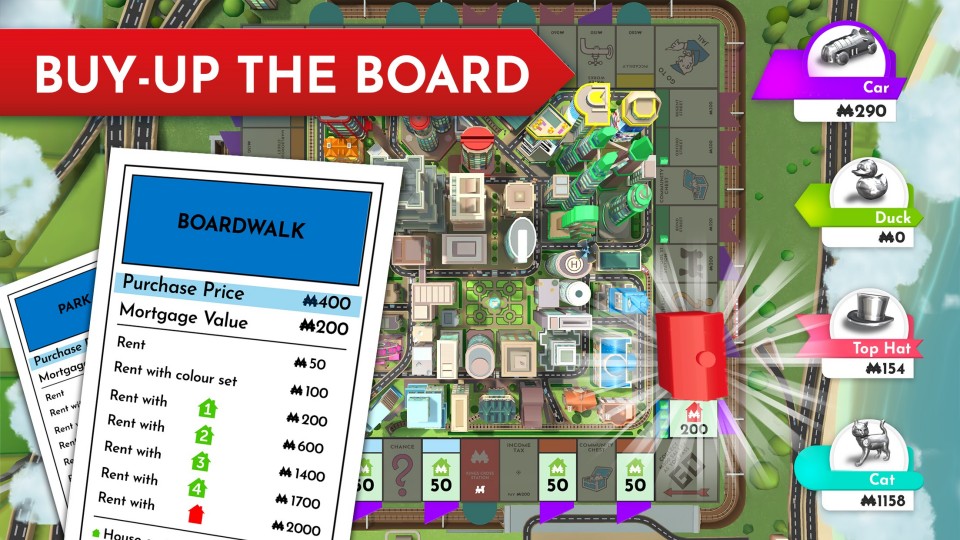
When a player is on a property that has not been purchased, the player may choose to purchase the property. If the player chooses to purchase the property, the player pays the appropriate fee and acquires ownership of the property. After owning a property, other players who pass by or stay on the property will have to pay rent. The amount of rent varies from property to property, and is usually higher for more advanced and better located properties.
Buying properties is one of the core strategies of the game. Owning multiple properties of the same color group increases the player's economic power, as it allows the player to build houses and hotels, which significantly increases the rent paid by other players when they stay.
Building Houses and Hotels
If a player owns all properties in the same color group, they can build houses and hotels on those properties. A maximum of four Houses can be built on each property, after which they can be upgraded to Hotels. Building houses and hotels will greatly increase the rental income. For example, staying on a property with no buildings may only cost a small amount of rent, but if the property has a hotel, the rent may be doubled or even higher.
Building strategies require careful thought on the part of the player; investing a large amount of money too early may cripple the player's liquidity, and not having enough money to pay rent to other players or unexpected expenses may result in a break in the capital chain.
Special Areas
Cards of Chance and Fate: Players are required to draw a card if they stay in such areas. These cards may bring unexpected rewards, such as extra money, or negative events such as fines, taxes, or jail time.
Tax Zones: Players staying in “tax” zones are required to pay a percentage of cash, usually a portion of their total assets or a fixed amount.
Jail: Players may be sent to jail during the game for drawing Fate Cards or rolling Special Points. While in jail, the player cannot move and can only get out by paying bail or rolling a specific number of points.
Trading and Negotiating
Another key to Monopoly's gameplay is trading between players. Players can sell, mortgage or exchange properties to raise money or expand their property portfolio. Negotiations and trades are a crucial part of the game, and smart deals can help players build wealth quickly or turn an unfavorable situation around. Players can negotiate to buy each other's properties, form their own real estate monopoly, or negotiate to relieve themselves of debt.
Negotiation skills often determine a player's success or failure in a deal. A seemingly insignificant deal may bring huge rewards at a later stage. Therefore, the game requires not only economic acumen, but also good communication and bargaining skills.
Victory Conditions
The objective of the game is to bankrupt other players through property rentals, transactions and investments. When a player is unable to pay the rent or debt due, he must sell or mortgage the property, house or hotel to raise funds. If still unable to pay, that player will declare bankruptcy and quit the game. The game ends when the last player is left and that player is the winner.
In-Game Psychological Warfare
In Monopoly, player interactions are not limited to trading; psychological warfare is also an integral part of the game. Players can combat their opponents through bluffing, language skills in negotiations, or teamwork. Some players may adopt an aggressive strategy, attempting to gain an advantage by quickly purchasing a large number of properties, while others may adopt a solid strategy, avoiding exposing their financial weaknesses prematurely by slowly accumulating wealth.
Each game of Monopoly is unique, depending on the player's strategy, decision-making, and luck. Although the outcome of the dice cannot be fully controlled, through sound planning and good negotiation skills, players can still gain an advantage in a complex economic environment.
Advertisement
Roblox
Geometry Dash
Among Us
Block Blast Adventure Master
Temple Run
Minecraft

Subway Surfers

Kick the Buddy

Magic Tiles 3: Piano Game
Fortnite
Bloons TD 6

Temple Run 2

Geometry Dash SubZero

slither.io

Five Nights at Freddy's 3
Township

Snake.io

Grand Theft Auto: San Andreas

Soccer Superstar

Getting Over It

Huggy Wuggy Poppy Playtime Horror Game

Call of Duty®: Mobile

Brawl Stars

Pou

